

Bookings now available with doctify
Receive expert down to earth advice and the highest level of personal care
Call01256 377 653
Emailsupport@spine-works.com

Receive expert down to earth advice and the highest level of personal care
We believe in the team approach. Whatever your situation, with Spineworks you will receive expert down to earth advice and the highest level of personal care.
Practising under the umbrella of Spineworks our expert team comprises a Consultant Spinal & Orthopaedic Surgeon, Consultant in Pain Management, Consultant Neuro-Radiologist and a Clinical Psychologist.
Although we are each highly specialized and practice independently, we work closely together to offer a comprehensive and first-class service. Our aim is to treat your neck and back pain quickly and effectively to help improve the quality of your life.
We are here to help you back to good health.
Andrew offers a wealth of experience, having cared for people with spine problems for over 20 years.

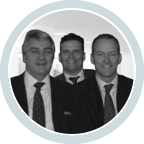
Dealing with spinal disorders including management of your pain and more.
Introducing
If you'd like to know more about how we work, watch our short video.